Rethinking the surface of contemporary art
Read time 2 minutes 15 seconds
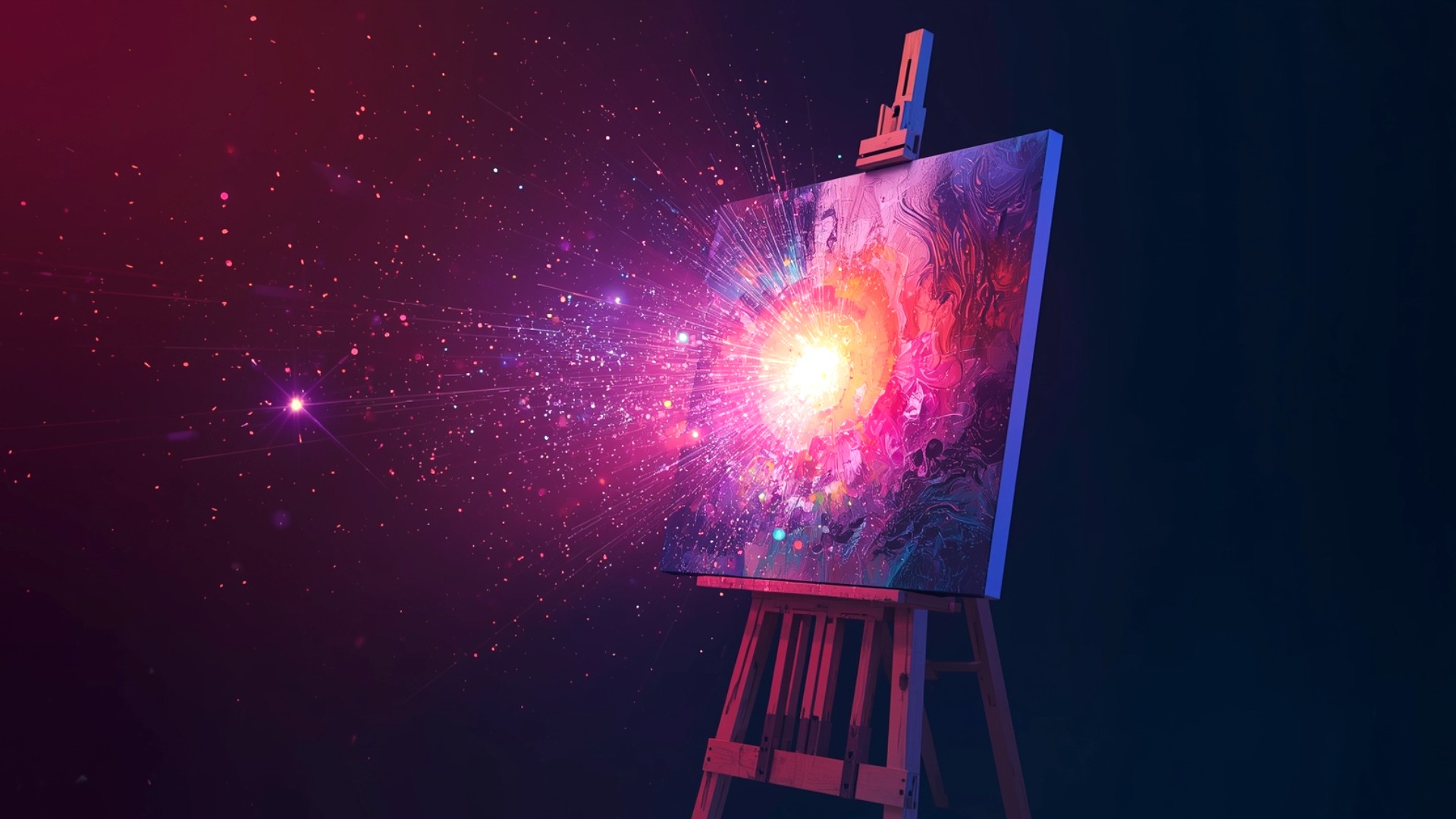
The screen and the canvas may look like opposites—one luminous and digital, the other tactile and handmade—but at their core, they operate on the same powerful principle: both are visual engines designed to capture attention, shape perception, and tell stories. They are not competing formats. They are parallel stages for human imagination.
Both begin as frames. A canvas stretches across wood; a screen glows within a bezel. Each creates a controlled window into another reality. Inside that boundary, every decision matters: color, contrast, balance, rhythm. Whether formed by brushstrokes or pixels, images are built from small units that work together to produce meaning. A single mark can guide the eye. A shift in tone can change a mood. The medium changes, but the visual language remains consistent.
Light is the bridge between them. Painters manipulate reflected light with pigment; screens project light outward through code. Yet both rely on illusion. A painted shadow convinces us of depth. A digital highlight suggests texture where none exists. In both cases, flat surfaces are transformed into experiences. Perspective, layering, and contrast—tools perfected by painters centuries ago—now drive interface design, animation, and digital storytelling. The techniques of the studio have become the foundations of the screen.
Time is where their relationship becomes especially powerful. A painting is not absorbed all at once; it unfolds as the eye moves across it. Screens simply make this process dynamic. Motion, transitions, and sequences extend the same logic of visual flow. A scrolling feed is not so different from walking past a gallery wall. Each image is part of a curated experience, shaped to hold attention and encourage return. One is silent and still; the other pulses with movement—but both rely on composition to guide the viewer’s journey.
There is also a shared tension between permanence and ephemerality. Canvas can crack and fade; digital images can disappear with a crash or an update. Both demand care, storage, and systems of display. Museums and social platforms serve similar functions: they decide what is seen, how it is framed, and who encounters it. Curation is no longer limited to walls—it now lives in algorithms and timelines. Visibility, in both spaces, is a designed outcome.
Most importantly, both screen and canvas are emotional technologies. We do not merely look at them—we project ourselves into them. They shape taste, memory, and desire. A painting can define an era. A screen image can launch a movement. In both cases, images do not just represent reality; they influence how reality feels.
The screen did not replace the canvas. It scaled it. It turned the logic of painting into a global language of light. What began as pigment on cloth has become data on glass, but the impulse is unchanged: to turn surface into meaning, to transform vision into experience. For brands, artists, and storytellers, understanding this connection is a competitive advantage. Because whether your message lives in oil or in code, the goal is the same—to be seen, to be felt, and to be remembered.