How artists use light to create surreal visual worlds
Read time 3 minutes
Photogenics are more than photographs. They are visions created entirely through directed light—images where illumination itself becomes the artist’s true medium. Instead of simply documenting reality, photogenics transform it. Shadows sculpt form, reflections reshape surfaces, and carefully controlled light turns ordinary subjects into surreal visual experiences.
In this approach, the camera is not merely recording what exists. It is interpreting, exaggerating, and reinventing the visible world. A simple object can appear metallic, liquid, weightless, or monumental depending on how light interacts with it. Fabric may resemble marble. Smoke can feel architectural. Skin can appear carved like stone.
This is what gives photogenic imagery its hypnotic power. Light stops being functional and becomes emotional, theatrical, and cinematic.
The illusion of motion in a still image
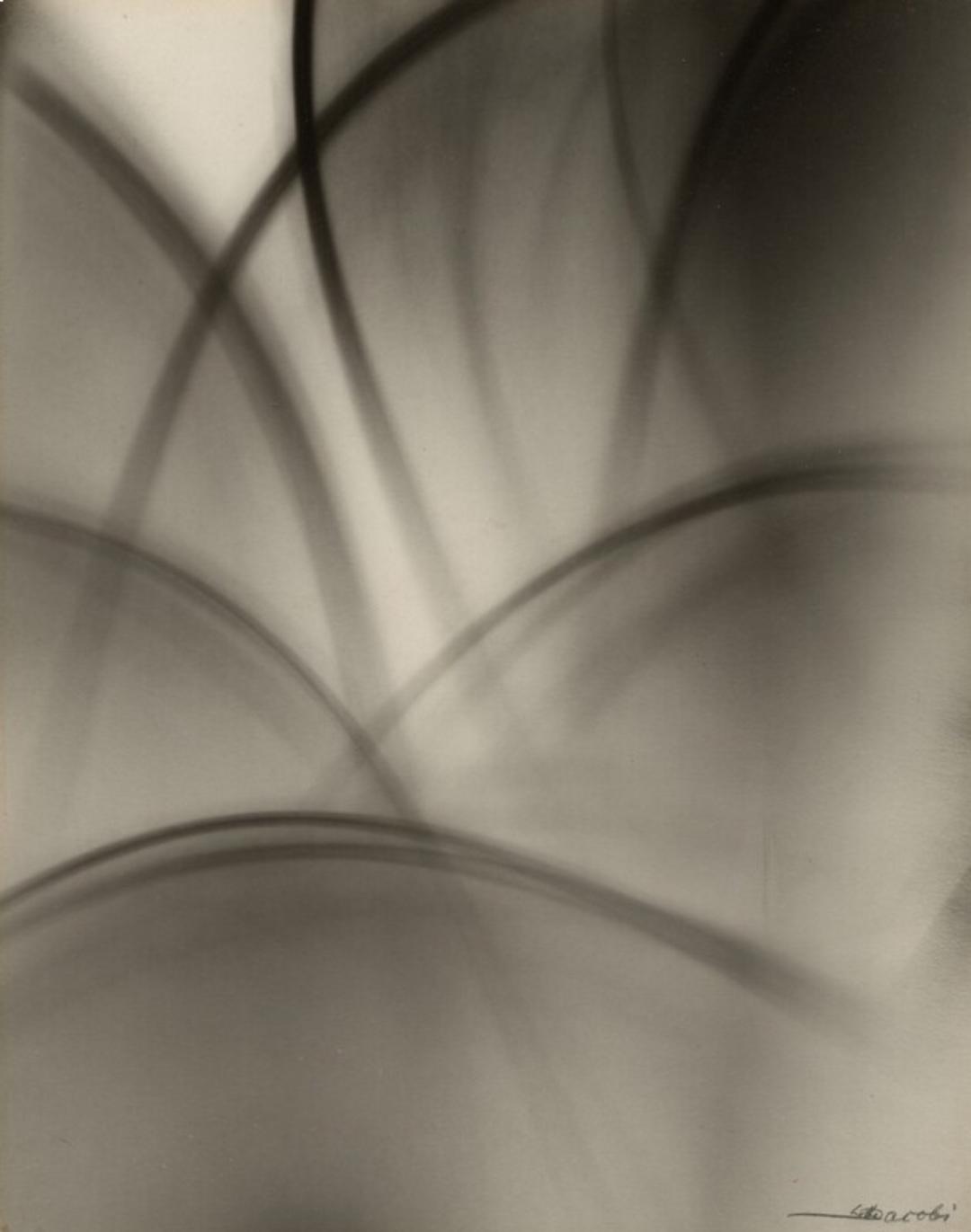
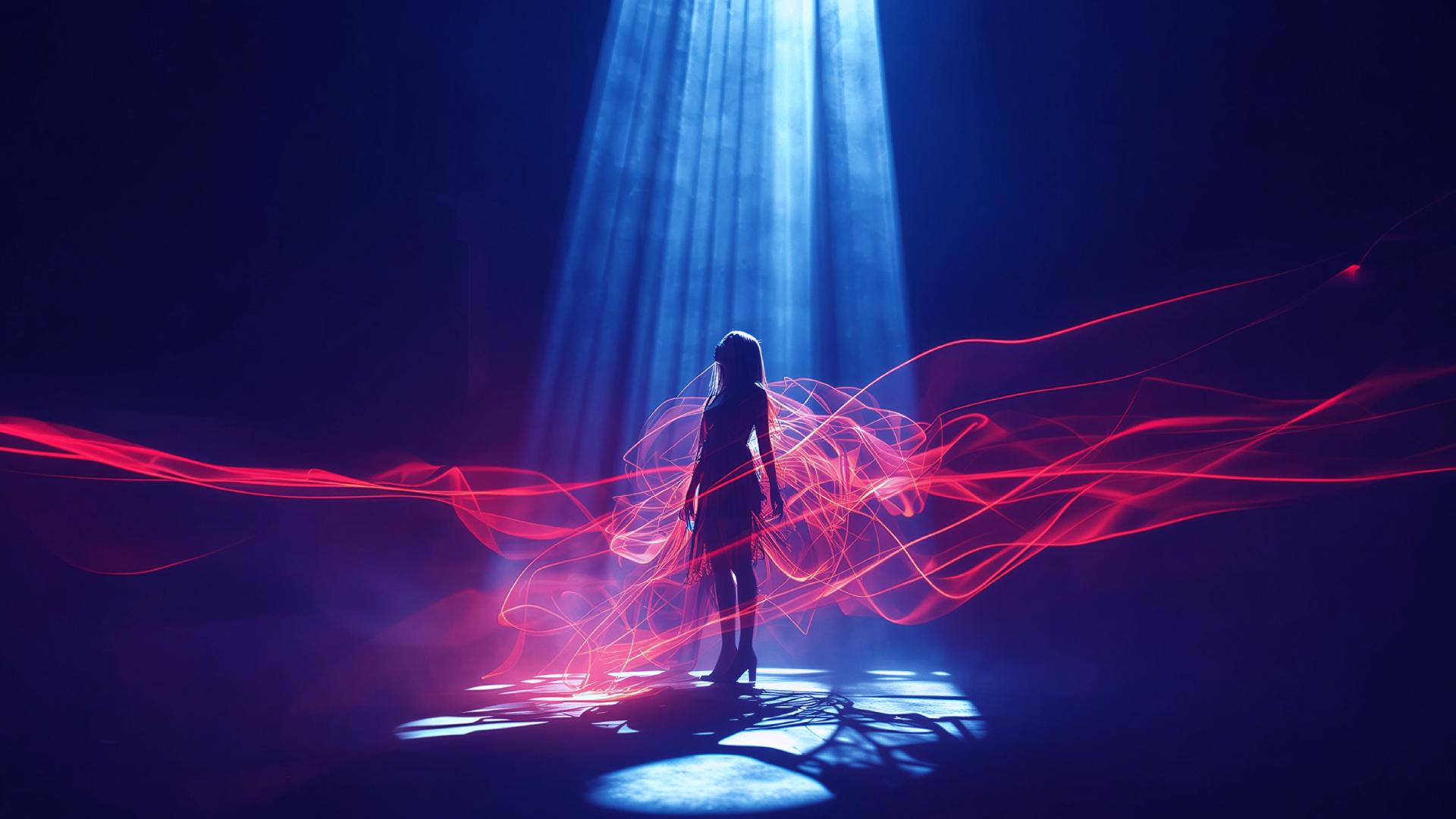
Unlike film, which unfolds moment by moment, photogenics compress time into a single visual event. A figure dissolving into shadow may suggest dance, transformation, or disappearance. A streak of light across a dark space can imply speed, memory, or emotional tension.
The viewer instinctively completes the movement in their imagination.
This creates a fascinating paradox: the photograph is physically still, yet psychologically active. Something inside the image continues to move long after the viewer first encounters it. That tension between stillness and motion gives photogenics their surreal energy.
Light as sculpture
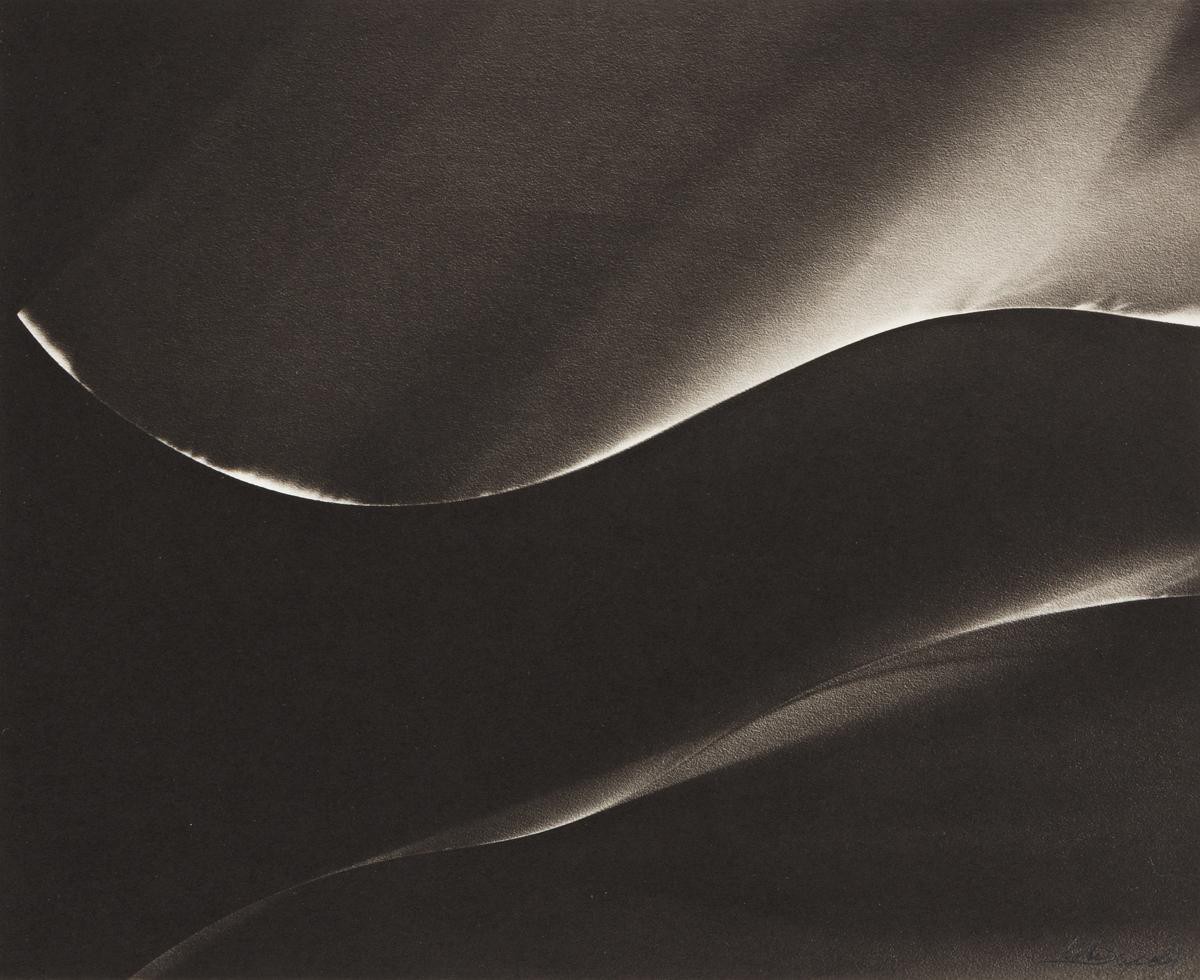
The result is imagery that feels tactile and monumental rather than flat. Faces can appear sculpted from stone. Drapery can resemble classical statuary. Empty space itself begins to feel architectural.
This sculptural quality gives photogenics a sense of permanence while still retaining the fleeting nature of photography. The image feels suspended between something eternal and something temporary.
Even more fascinating is light’s ability to create material illusions. Glass may appear soft. Water can resemble polished metal. Smoke may take on the density of velvet or carved stone. These transformations pull the viewer away from literal reality and into a more dreamlike visual state.
Creating emotional spaces
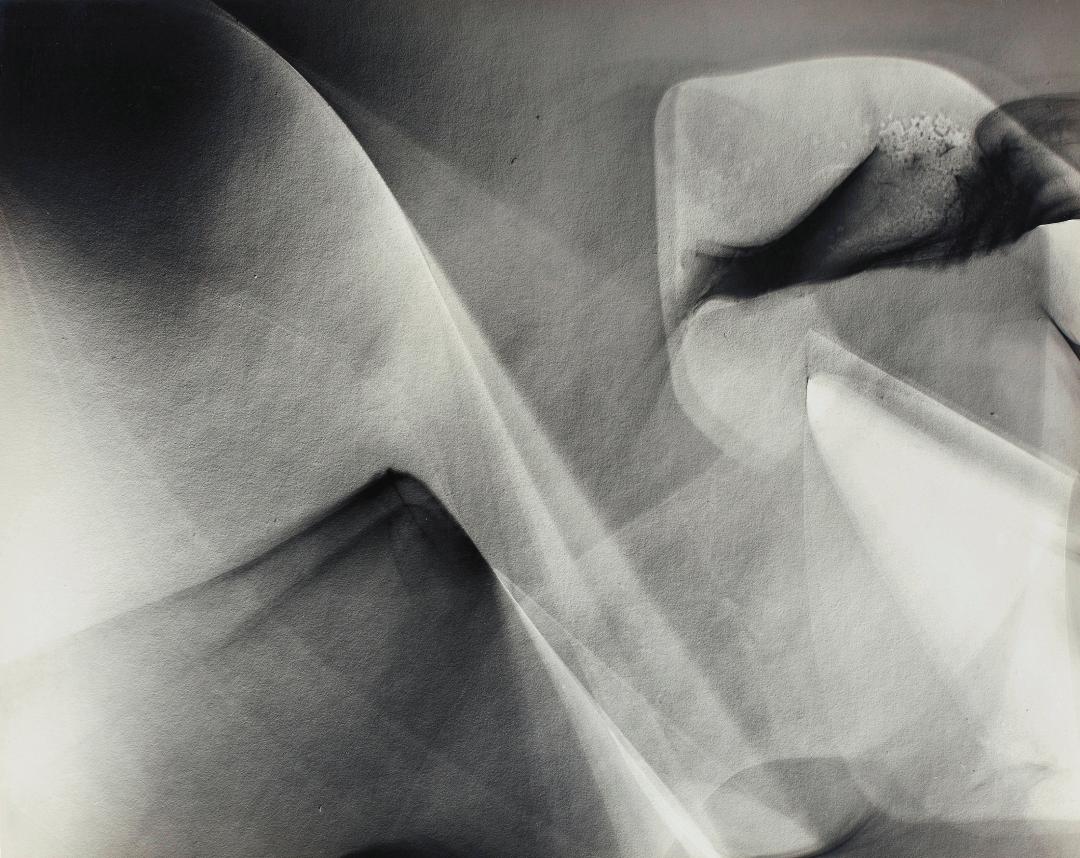
A narrow beam of illumination can create isolation or drama. Diffused light may feel spiritual, nostalgic, or cinematic. Entire environments can appear suspended between reality and dream.
These spaces are less about physical accuracy and more about emotional atmosphere. The viewer is not simply observing a room or object; they are experiencing a mood, a memory, or a psychological state.
This ability to transform ordinary environments into emotionally charged spaces connects photogenics to both surrealism and expressionism. Yet unlike painting, these effects are achieved entirely through optical manipulation. The transformation happens through light itself.
Turning time into the surreal-fantastic
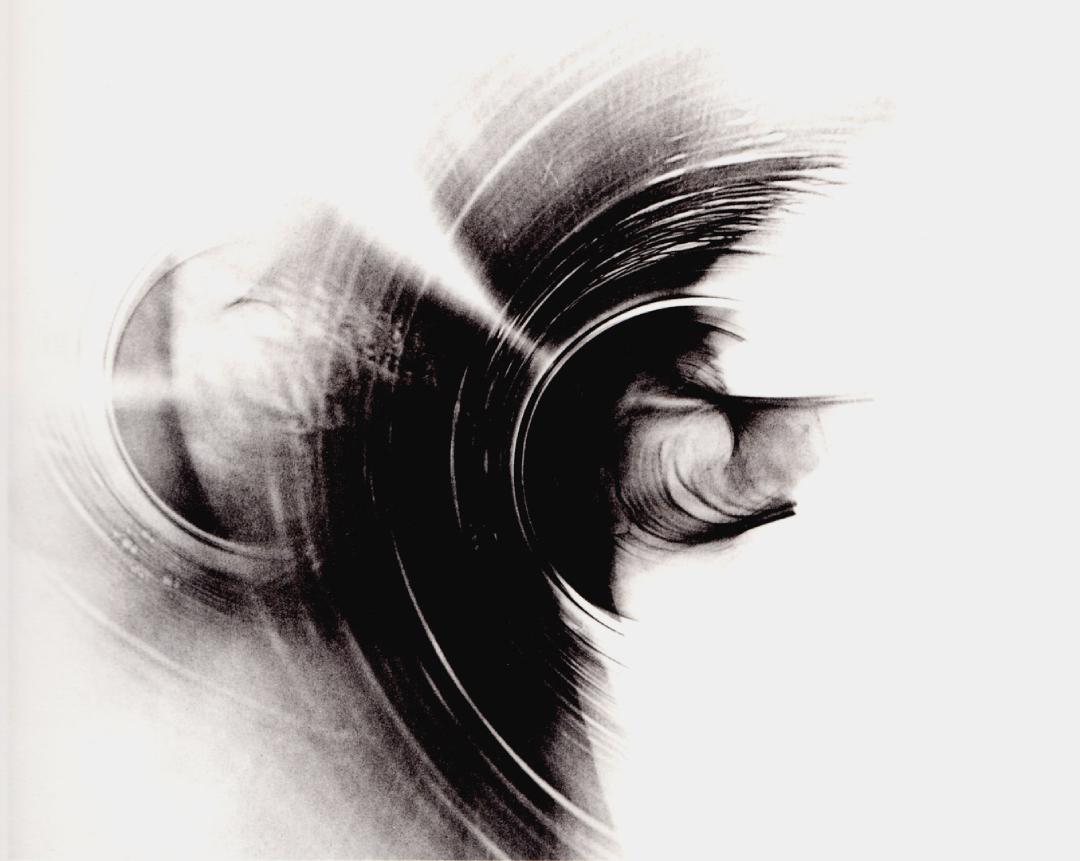
Moments overlap. Movement becomes ghostlike. Objects appear caught between presence and disappearance.
The surreal quality of photogenics does not come from fantasy subjects alone. Even the most ordinary object—a chair, a curtain, a hallway, a hand—can become uncanny when shaped by directed light. The familiar suddenly feels mysterious.
That is the true power of photogenics. They reveal that the extraordinary already exists within the ordinary world. Light simply exposes it.
In the end, photogenics are not about reproducing reality. They are about transforming perception itself. By combining motion, sculptural illusion, emotional space, and the fluidity of time, photogenic imagery turns light into atmosphere, memory, and dream.