Suicide or murder?
Read time 3 minutes
The question was simple enough: if I could travel through time and witness any historical moment for a single day, where would I go, and what would I hope to learn? Most people answer with the obvious milestones of civilization—the construction of the pyramids, the signing of historic treaties, the fall of empires, or the moon landing. But as a visual artist, my answer is far more intimate and unsettling. I would travel to July of 1890 to witness the death of Vincent van Gogh.
Not to watch a genius die, but to discover whether he was actually murdered.
The official story
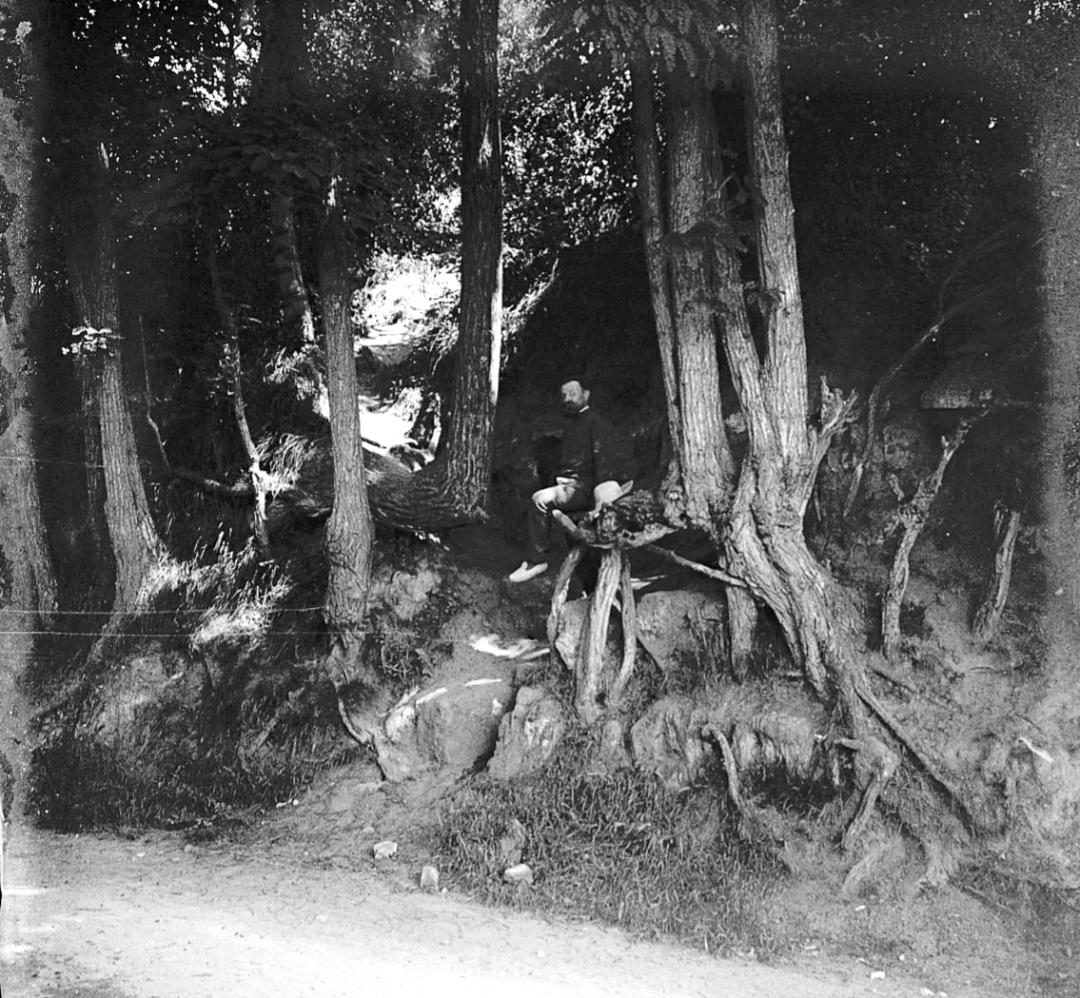
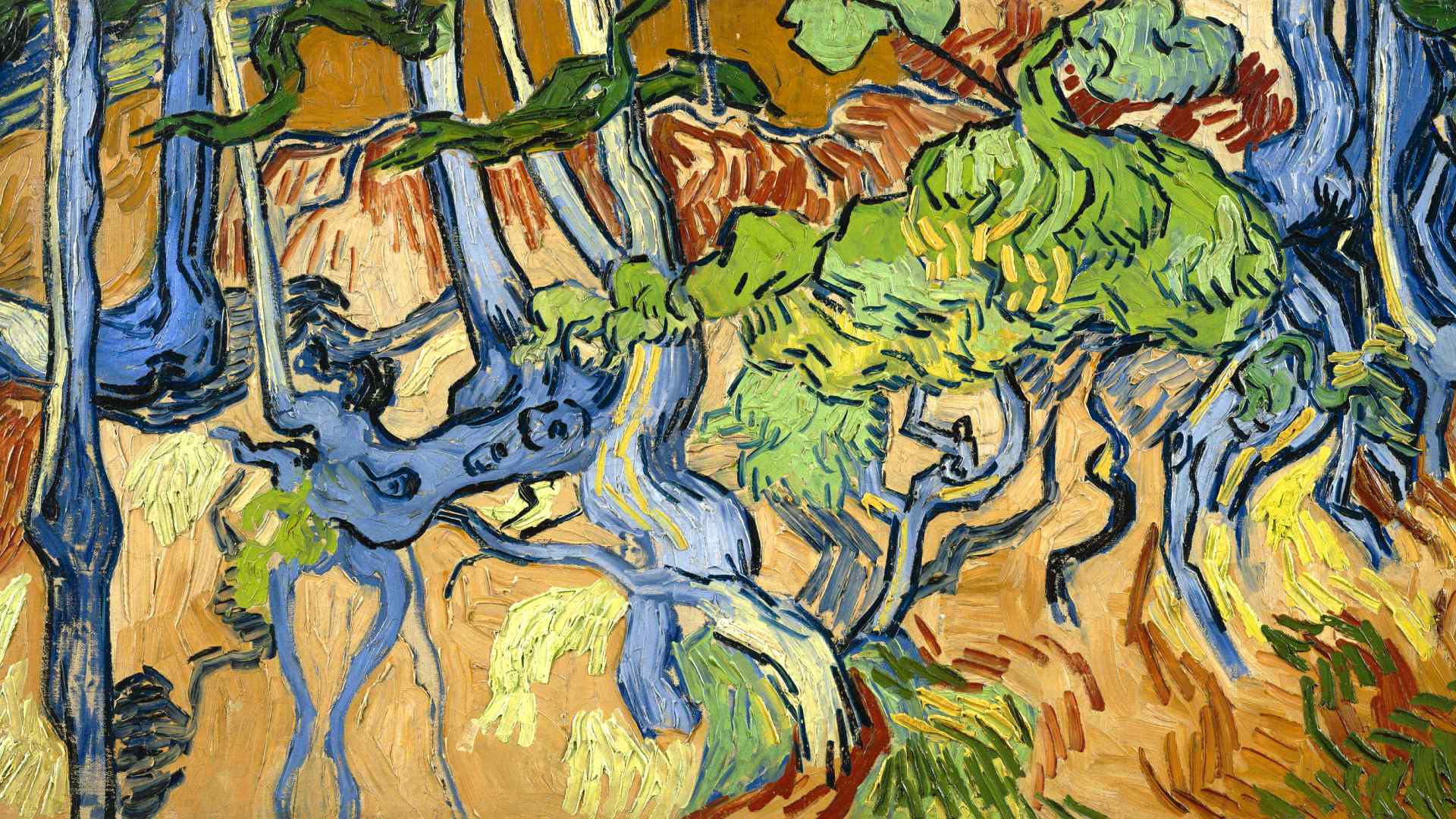
But the more closely one examines the details, the less convincing the narrative becomes.
The questions that don’t add up
If van Gogh truly intended to end his life, why shoot himself in the chest rather than the head? Suicide by firearm is usually direct and decisive. A shot to the torso is uncertain, painful, and unreliable, especially in the late nineteenth century when medical intervention was primitive. More puzzling still is the fact that the wound itself was strangely angled, leading some researchers to question whether it could have been self-inflicted at all.
Then there is the issue of the missing revolver.
The gun used in the shooting was never conclusively identified at the time of his death. That absence alone leaves an uncomfortable gap in the official explanation. A man supposedly determined to take his own life vanishes into a field, fires a poorly aimed shot into his chest, leaves no weapon behind, and then walks a considerable distance back to town before collapsing. Rather than dying immediately, he lingered for days in pain. Nothing about the sequence feels logical or deliberate.
The possibility of jealousy
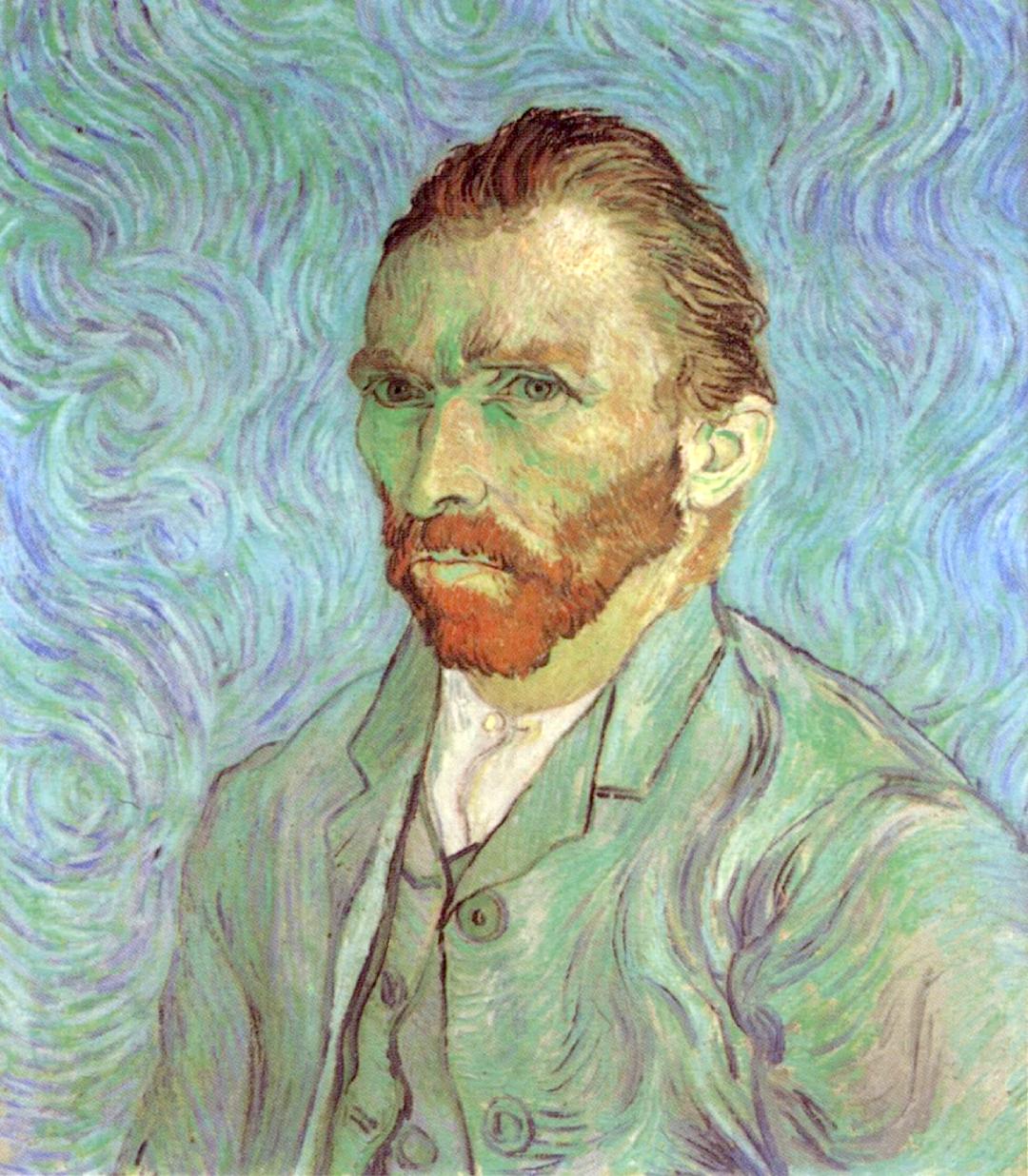
Perhaps another artist envied his raw originality. Perhaps a personal conflict escalated into violence. Perhaps a relationship—romantic or otherwise—became combustible. Human history is full of murders disguised as accidents and accidents disguised as suicides. The further back in time one goes, the easier it becomes for uncertainty to harden into accepted truth.
Alternative theories
Modern biographers have even proposed alternative theories suggesting that van Gogh may have been accidentally shot by local youths and chose to protect them by claiming responsibility. That possibility alone reveals how fragile the official story really is. If historians can seriously debate whether the most famous suicide in art history was actually an accident, then the case is far from closed.
What fascinates me most is not simply the mystery itself, but the way society romanticizes artistic suffering. Van Gogh’s suicide has become central to his legend. The narrative is dramatically convenient: the misunderstood genius, rejected in life, destroyed by despair, only to become immortal after death. It is a story the world wants to believe because it transforms tragedy into mythology.
The myth of the doomed artist
But mythology often oversimplifies reality.
If I could stand invisibly in that field in July 1890, I would want to see the truth stripped of interpretation. I would want to know whether van Gogh truly chose death, or whether history quietly accepted a lie because it fit the image of the doomed artist too perfectly. Perhaps the greatest revelation would not concern van Gogh himself, but our own need to explain genius through suffering.
Related content
- The Place Where Vincent van Gogh Painted His Last Masterpiece
- Historical Photograph Confirms Exact Location ‘Tree Roots’
- A free ebook about the discovery