How my father inspired my artistic vision
Read time 2 minutes 45 seconds
Artistic expression has always flowed through my family. We have a quiet yet persistent lineage of image-makers, observers, and storytellers. Although only a few pursued creative work as a profession, the urge to see, to frame, to interpret, and to turn experiences into images was always there. Among them, my father, Leo Runkowski, played a significant role in shaping my understanding of art through both his work and the way he lived.
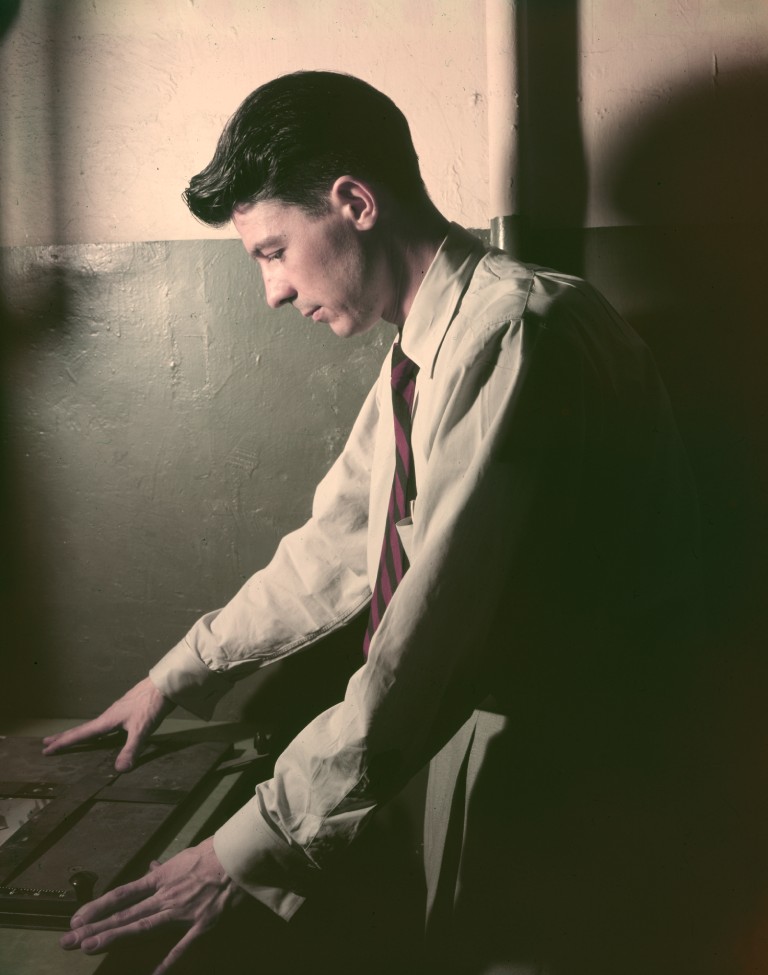
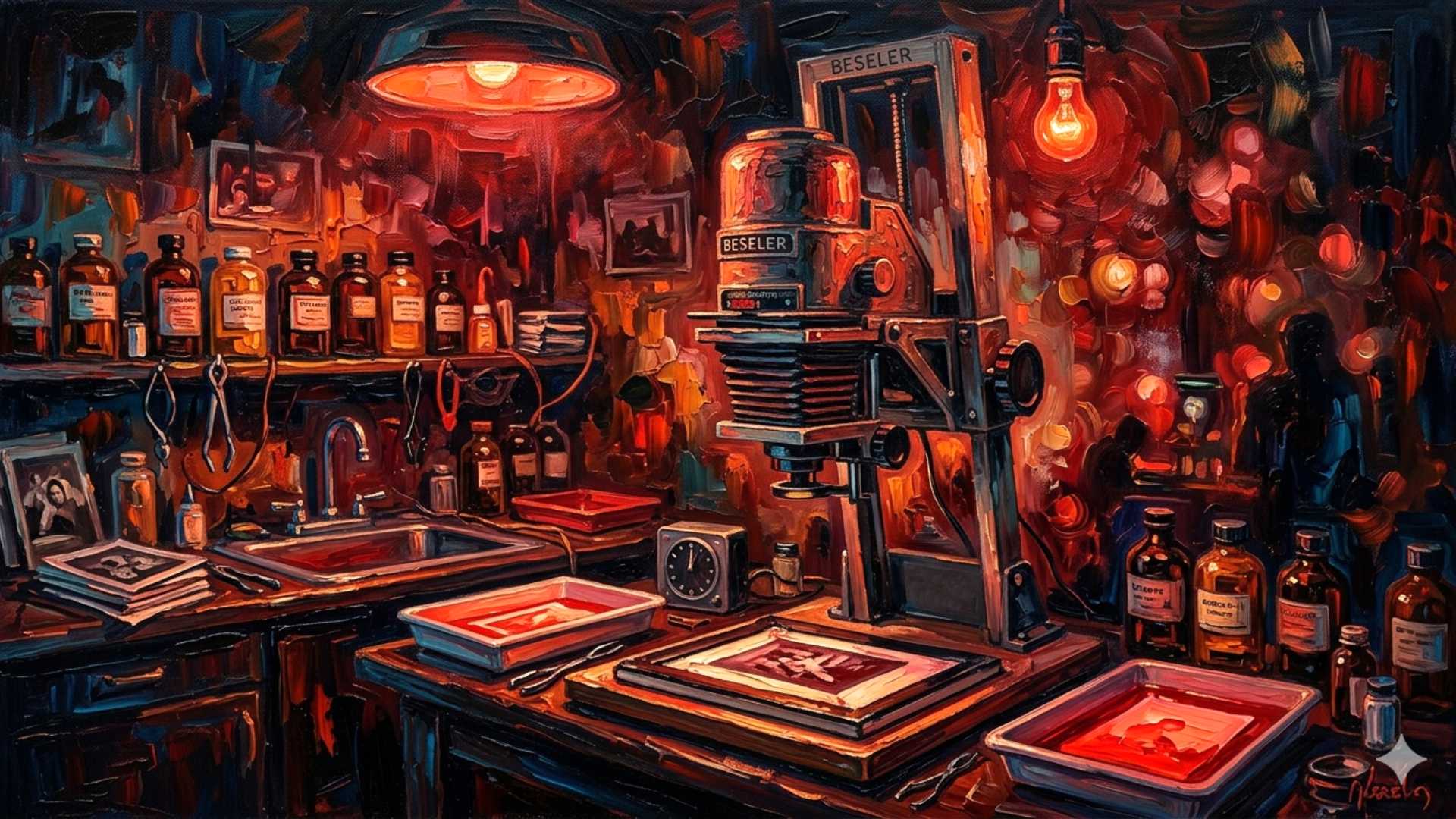
He worked professionally at the New York Daily News in the Photogravure Department. This area of print production specialized in engraving the plates used to reproduce images in the Sunday magazine and comic sections. It was meticulous, technical work that translated photographs into a printable format using a blend of chemistry, craftsmanship, and visual sensitivity. Even though this role kept him out of the spotlight, it meant he was constantly engaged with images and composition during a period when print media was extremely influential.
At home, his connection to photography was more personal and generous. He would bring back large sheets of newsprint from the pressroom, iscarded by others, but for me, they were an open invitation. Those pages became my first canvases, a space where I could draw freely. Looking back, I realize it was a simple gesture, but one that held great significance. It showed permission to create, to experiment, and to take my creative urges seriously.
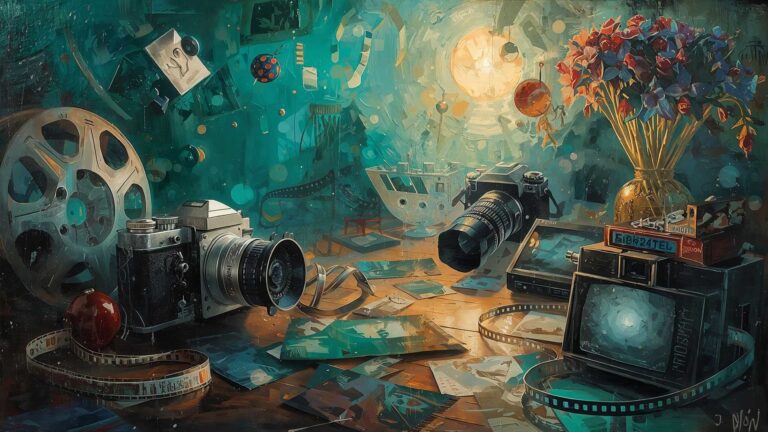
He encouraged me to look through a lens, at the early age of 8 years old. I was allowed to use his Rolleiflex TLR, a beautifully crafted camera that required intention with each shot. Unlike modern devices, nothing about it was casual. Each photograph needed thought, consideration of composition, focus, and exposure, all before pressing the shutter. That experience instilled an early respect for seeing, highlighting that an image is constructed rather than merely captured.
Later, he gifted me my first 35mm SLR, a Canon AT-1. It was a different tool, more flexible and immediate, but still significant. It signified a shift from borrowing his vision to starting to form my own. Even then, his encouragement was subtle, existing in the background and allowing my curiosity to guide me instead of pressure to perform.
I didn’t fully realize the extent of his artistic involvement beyond his professional role until after he passed away. My mother shared photographs of him at artist receptions, moments when his work received recognition, where he stood among his peers, and received awards for his photography. These images revealed a private aspect of his life: a commitment to his craft that went beyond work and into a more personal and expressive realm.
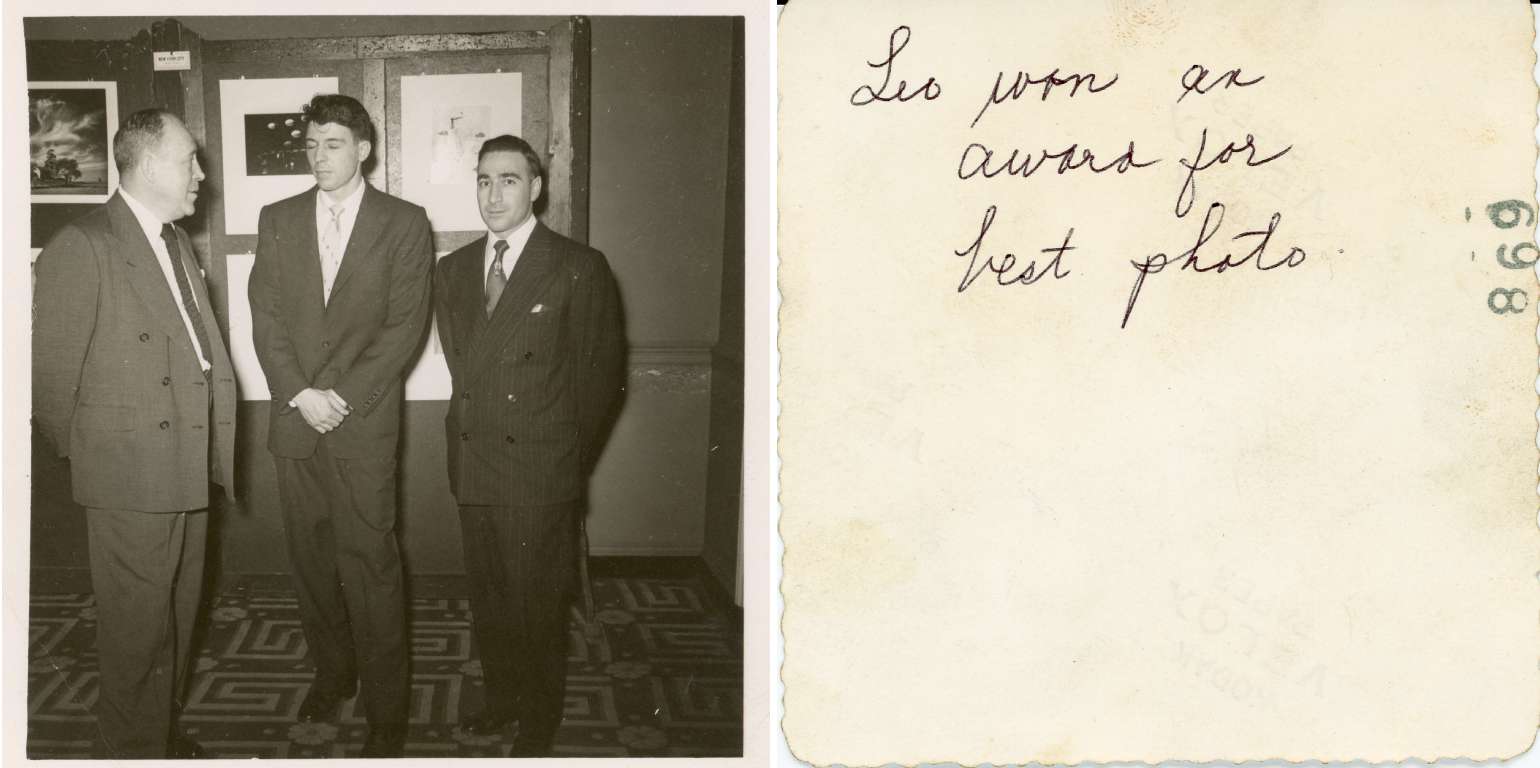
There is something powerful in that delayed discovery. It changed how I viewed him, not just as a father who supported my creativity, but as an artist who practiced quietly, without seeking recognition to validate his efforts. For me, his legacy isn’t defined by a public portfolio or a well-known name, but by a more lasting impact: a way of seeing.
In many ways, my artistic journey feels less like a break and more like a continuation. The tools have evolved, and the contexts have shifted, but the core impulse remains unchanged. It lives in the instinct to frame moments, find meaning in light and form, and create something that reflects experience. That inheritance, subtle, persistent, and profoundly felt, stems from him.