How reality becomes meaning in the camera
Read time 2 minutes 15 seconds
Photography doesn’t just represent reality, it is reality, transformed into meaning. While other art forms build metaphors through interpretation, photography begins with the world itself. Painters, sculptors, and illustrators create images that stand in for what they see. Photographers capture what is already there and turn it into something more. This gives photography a remarkable advantage: it can use its own truth as a metaphor for ideas, emotions, and abstraction.
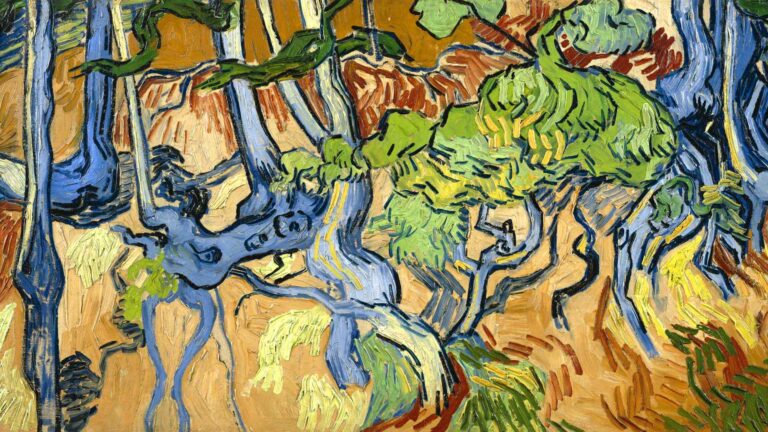
In traditional visual art, the image is an abstraction of an aspect. A painter studies a subject and translates it into brushstrokes and color. What we see on canvas is not the object itself, but a crafted version of it, an expressive stand-in. Even realism is still an interpretation, shaped by the artist’s hand. Pigment becomes sky. Line becomes face. Form becomes feeling. The metaphor is constructed through transformation.
Photography works from the opposite direction. It doesn’t invent a substitute for reality; it harnesses reality directly. Light touches the sensor or film because something truly existed in front of the lens. This physical connection to the world gives photography its unmatched credibility and its emotional authority. A photograph is not just a picture of a moment; it is evidence that the moment occurred.
But this is where photography becomes more than documentation. When guided by vision, selection, and timing, reality itself becomes symbolic. A street can become a metaphor for solitude. A window can become a metaphor for longing. A blurred figure can become a metaphor for memory. Photography elevates the ordinary into the archetypal by extracting meaning from what already exists.
Unlike painting, which abstracts appearances, photography abstracts ideas. The subject may be literal, but the message is conceptual. The photographer starts with the visible and aims at the invisible: time, identity, fear, devotion, absence. The resulting image is not simply what was seen, it is what was meant. The photograph becomes an archetype, a distilled symbol that resonates beyond its specific context.
This dual nature is photography’s competitive edge. It speaks in facts and emotions at the same time. It feels authentic because it is anchored in reality, yet it communicates like poetry. Viewers trust photographs because they believe in what they see, and they remember them because they feel what they suggest. This fusion of truth and metaphor makes photography uniquely persuasive in art, storytelling, and visual branding.
Painting transforms reality into image. Photography transforms image into meaning. Where painting abstracts form, photography abstracts thought. It takes the concrete world and converts it into a visual language of ideas. Each frame becomes a sentence. Each subject becomes a symbol.
This is why photography holds such lasting cultural power. It doesn’t ask us to imagine reality, it asks us to reconsider it. Through selection and intention, the photographer reveals the extraordinary inside the ordinary. The world supplies the raw material; the artist supplies the insight.
In photography, reality becomes metaphor, and metaphor becomes message. The camera is not just a tool for seeing, it is a tool for thinking. And in that transformation, photography becomes not just an art of surfaces, but an art of meaning.