The radical reinvention that shaped modern art
Read time 1 minute 30 seconds
Few artists have ever dared to risk everything for the sake of truth, but Philip Guston did. Once celebrated as a leading voice of Abstract Expressionism, Guston became famous for his luminous, poetic canvases that hung alongside legends like Jackson Pollock and Mark Rothko. Collectors adored him, critics praised him, and his place in art history seemed secure. Then, in one stunning move, he threw it all away and changed the course of modern painting forever.
By the late 1960s, the world was in chaos. The Vietnam War, social upheaval, and political scandal filled the headlines. For Guston, the elegant language of abstraction suddenly felt hollow. “What kind of man am I,” he famously asked, “sitting at home, reading magazines, going into a fury about everything and then going into my studio to adjust a red to a blue?” That haunting question became the turning point of his career.
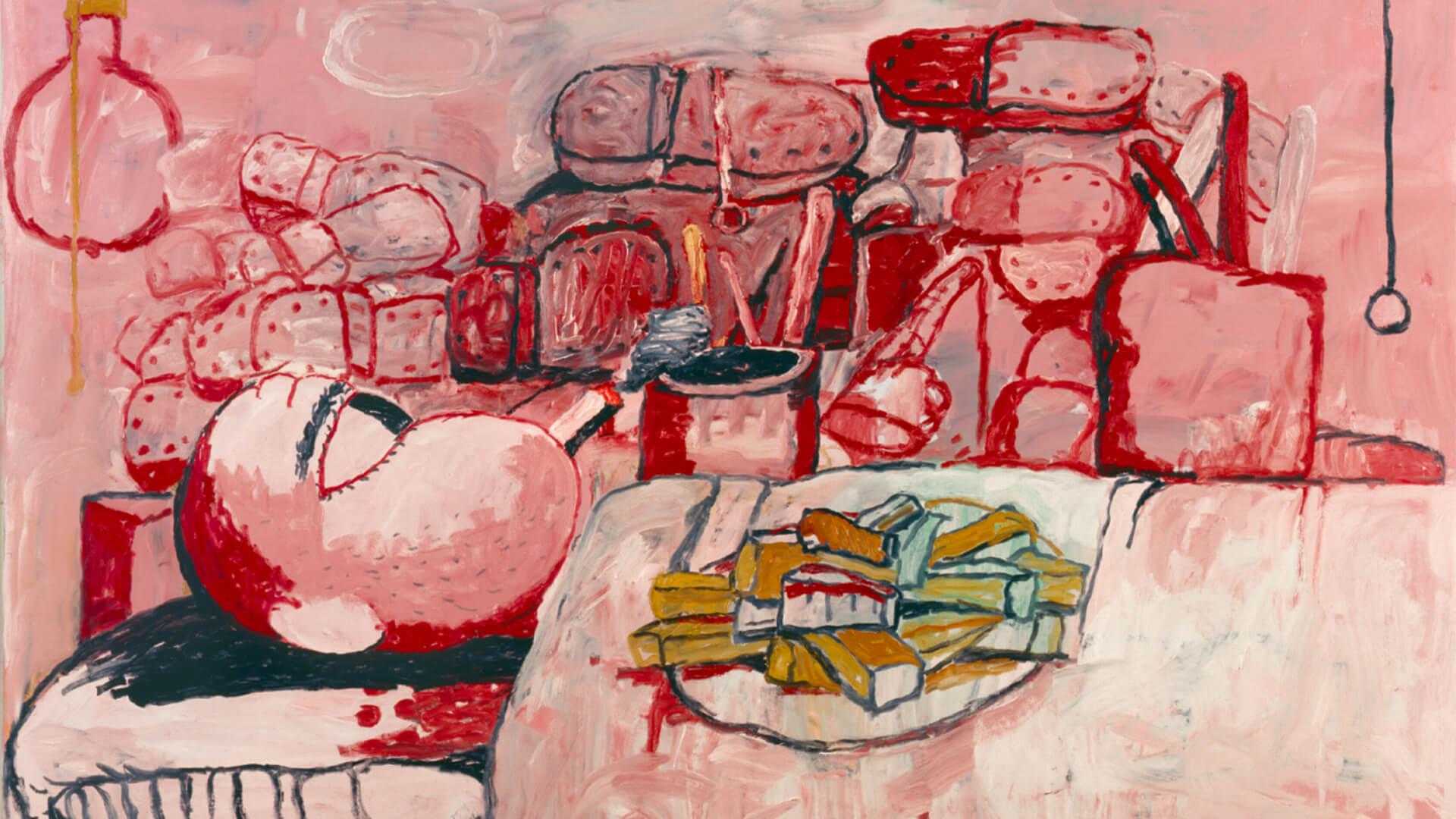
In 1970, Guston shocked the art world with his radical new style, a raw, cartoon-like universe filled with hooded figures, disembodied shoes, cigarettes, clocks, and brick walls. These strange, surreal images weren’t meant to charm, they were meant to confront. Each painting was a mirror reflecting the darkness and absurdity of American life. Audiences were stunned. Critics called it a betrayal. But Guston wasn’t retreating he was rebelling.
His “late style” was more than a new direction; it was an act of artistic courage. Those hooded figures, often mistaken for symbols of hate, were also symbols of self-reflection. They represented the human tendency toward moral blindness, including the artist’s own. Guston’s thick, gritty brushstrokes and haunting imagery spoke to a deeper truth: art must be honest, even when it’s uncomfortable.
Decades later, the world has caught up with him. What once shocked the critics now inspires new generations of painters who value authenticity over approval. Artists like Jean-Michel Basquiat, Raymond Pettibon, and Dana Schutz have all drawn from Guston’s fearless mix of personal symbolism, social commentary, and rough-edged humanity.
Philip Guston’s transformation wasn’t just a shift in style, it was a statement of integrity. He proved that great art evolves not for fashion, but for conscience. His journey reminds every artist that reinvention isn’t a risk, it’s the path to relevance.