A guide for art lovers and collectors
Read time 2 minutes 15 seconds
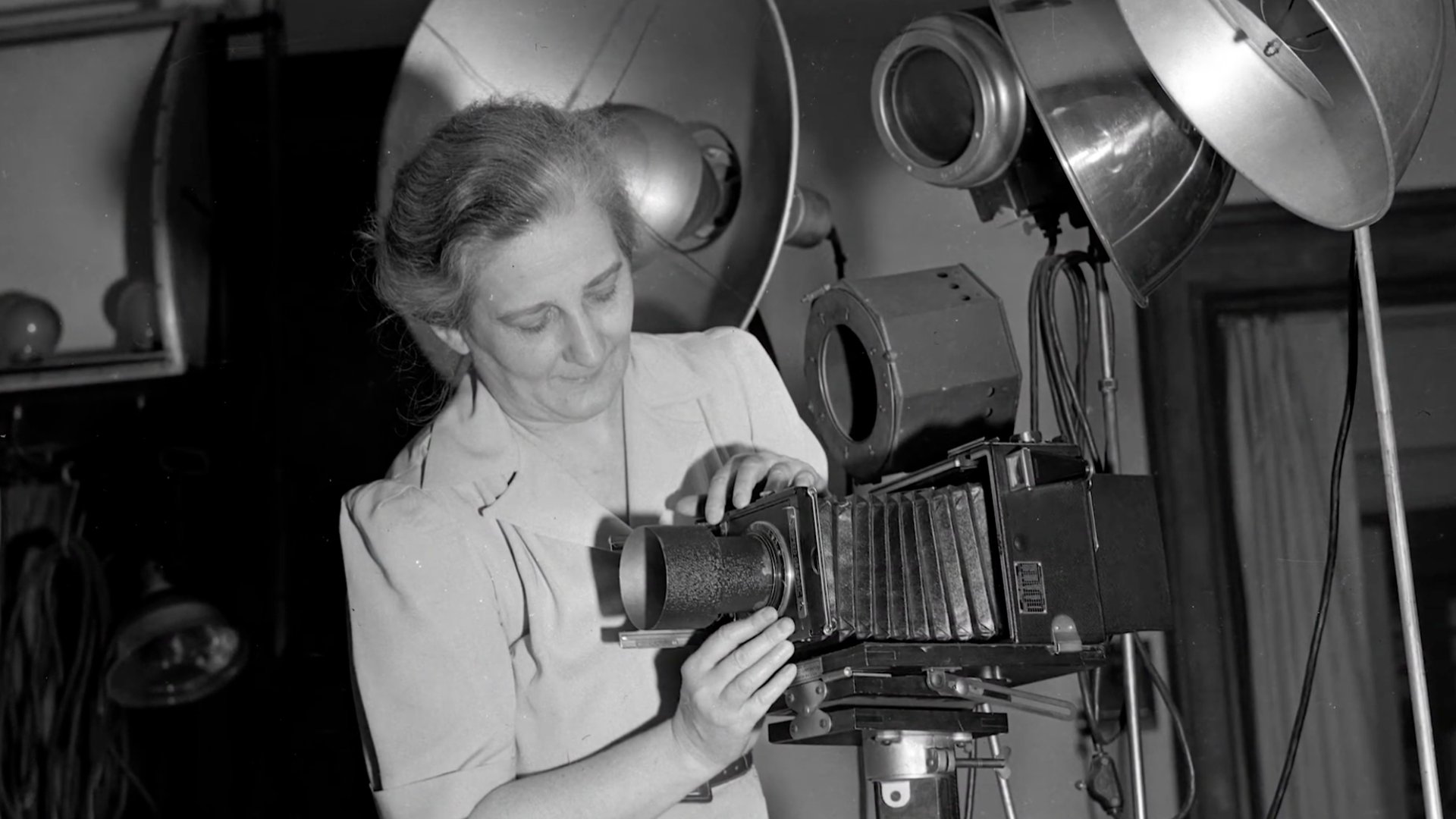
If you’re passionate about photography, modern art, or the creative pioneers who shaped visual culture, then Lotte Jacobi (1896–1990) is a name you should have firmly on your radar. A bold innovator with an unmistakable eye, Jacobi transformed portrait photography into a dynamic, intimate art form—and her images continue to captivate collectors, curators, and creators around the world.
Early life and artistic foundations
Jacobi was born in Thorn, West Prussia, into a family already deeply entwined with photography. Her father and grandfather were both photographers, and by the time she was a young woman she had already absorbed the technical fundamentals of the medium. Yet Jacobi’s contribution would be far from traditional. After studying art and theater, she opened a studio in Berlin during the late 1920s—a time when the city pulsed with cultural experimentation. She became a sought-after portraitist during one of the most electrifying periods in European cultural history.
What set her apart? It was here that she developed her signature approach: portrait sessions rooted in conversation, spontaneity, and mutual trust. Her sessions were conversational, relaxed, and designed to draw out the essence of her sitters. Jacobi was less interested in rigid formality and more committed to revealing the “inner life” of her subjects. The result: portraits that feel alive, authentic, and astonishingly modern.
Her Berlin studio became a vibrant magnet for the era’s cultural icons. Albert Einstein, László Moholy-Nagy, Peter Lorre, and Klaus Mann all sat before her lens. Jacobi captured them with a clarity and psychological depth that many photographers still strive to match. Her approach was simple yet revolutionary: let people be themselves. Let their personality, not the pose, define the image.
Exile, reinvention, and artistic expansion in America
When rising fascism forced Jacobi to flee Germany, she reinvented her career in New York—a move that only expanded her influence. Her U.S. portfolio reads like a Who’s Who of 20th-century creativity: Eleanor Roosevelt, J.D. Salinger, Marc Chagall, and Paul Robeson, among others. But Jacobi didn’t stop there. Always forward-thinking, she pushed the boundaries of the medium with her “photogenics”—stunning, camera-less abstractions shaped purely by light. These works don’t just illustrate innovation; they reflect it, making them especially appealing to collectors drawn to photography’s experimental edge.
Later, Jacobi settled in New Hampshire, where she continued to work, teach, and inspire. Even in these quieter years, her images retained the emotional intelligence and artistic confidence that defined her career. Whether she was capturing a local neighbor or crafting a luminous abstract study, her vision remained unmistakably her own.
Enduring impact and recognition
Today, Lotte Jacobi’s work is more relevant—and more sought-after—than ever. Museums champion her contributions, collectors look for her rare prints, and contemporary photographers cite her as a defining influence. Her portraits offer not just historical insight, but a timeless lesson in authenticity and human connection. Her photogenics, meanwhile, appeal to those who value originality and daring experimentation.
For enthusiasts looking to deepen their appreciation of 20th-century photography—or for anyone searching for a compelling artist whose legacy deserves even greater visibility—Lotte Jacobi is an essential discovery. Her work doesn’t simply document the past. It elevates it. It illuminates it. And it continues to inspire anyone who believes in the power of photography to reveal what’s real, what’s human, and what’s unforgettable.