How technology fuels artistic vision
Read time 1 minute 40 seconds
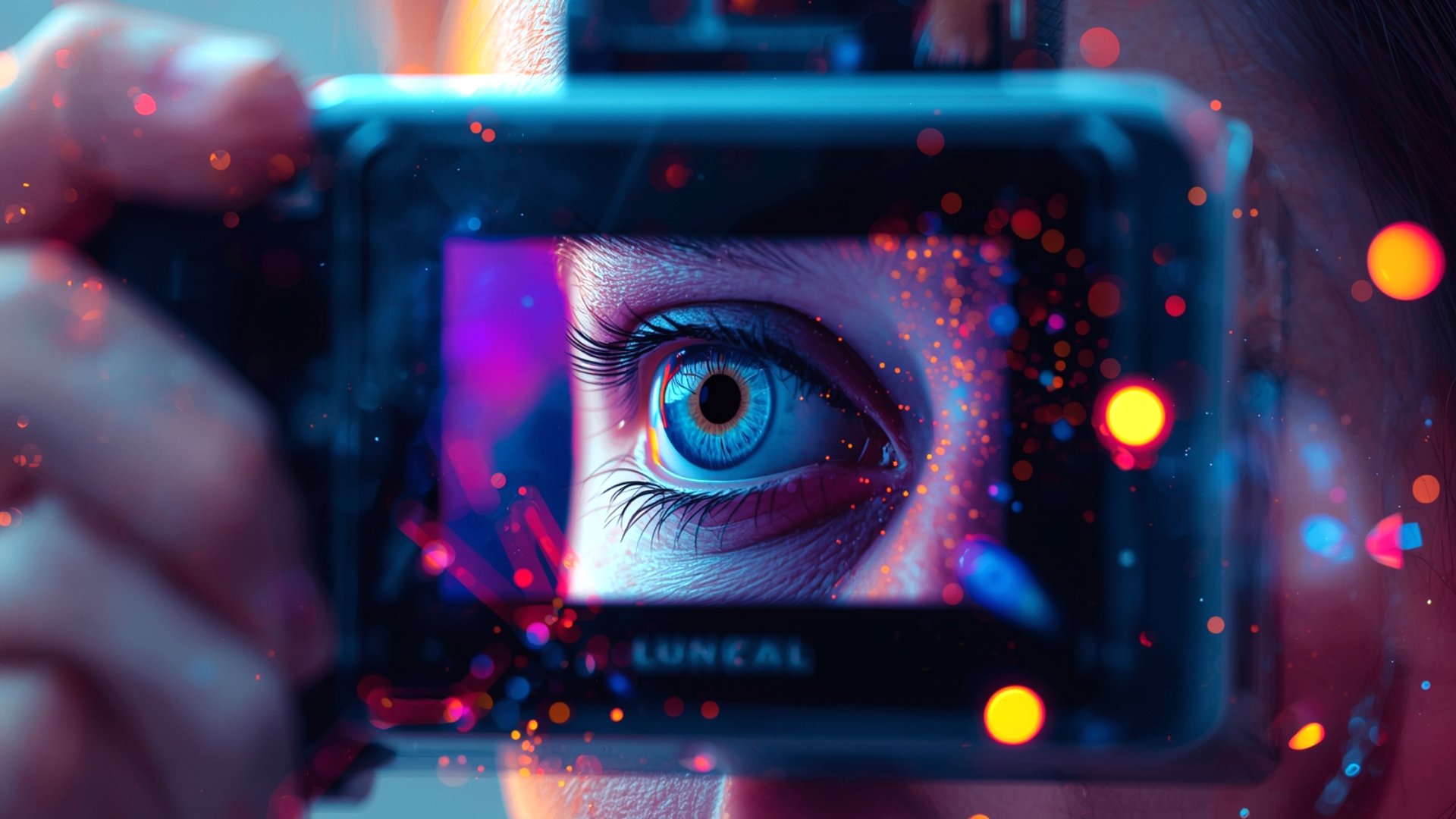
In today’s image-driven world, the camera has evolved far beyond being a simple recording device—it’s become an intelligent creative partner. Its complexity and precision often give the illusion of a living intelligence, one that seems to see, think, and even feel alongside the artist. This “living lens” doesn’t just capture reality—it inspires the imagination, inviting creators to explore, experiment, and express at entirely new levels.
Modern cameras are technological marvels, built with advanced optics, adaptive sensors, and lightning-fast processors that respond instantly to light, movement, and mood. The result? A device that feels almost alive, able to interpret the world as intuitively as its user. Whether you’re a filmmaker chasing the perfect motion sequence or a photographer seeking that fleeting spark of emotion, the camera meets you halfway—amplifying your intuition, refining your vision, and transforming every shot into a shared act of discovery.
The beauty of this relationship lies in its creative chemistry. The artist manipulates the camera, but the camera also guides the artist. Its intricate design and intelligent features respond to nuance—the shimmer of sunlight on water, the subtle tension in a face, the rhythm of movement—and suggest new ways of seeing. Each frame becomes a dialogue between curiosity and control, spontaneity and precision. The camera doesn’t just record what’s there—it helps you reveal what’s possible.
On an explorative level, the camera invites you to push visual boundaries, to look where the eye might not dare. On a creative level, it translates those discoveries into powerful, expressive imagery that speaks directly to emotion and imagination. It’s where innovation meets inspiration—where technology becomes artistry.
In this sense, the camera isn’t just a tool; it’s a collaborator, a co-creator, a spark for visual storytelling. Its complexity fuels curiosity, its intelligence ignites invention, and its responsiveness turns every moment into a masterpiece waiting to be framed. As technology continues to evolve, cameras are no longer passive instruments—they are active participants in the creative process, bridging the gap between human vision and machine precision.
The next time you lift a camera to your eye, remember: you’re not just using a device—you’re partnering with a form of living intelligence that exists to amplify your artistry and unlock the infinite possibilities of visual creation.