Women, craft, and “Not Real Art:” Breaking old art world narratives
Read time 2 minutes 30 seconds
Sexism doesn’t live in just one corner of the art world. It shows up in art schools, in small member-run nonprofit galleries, and even in craft spaces that pride themselves on being inclusive.
Who would have imagined that four tiny pen-and-ink drawings of flowers could bruise so many egos and ruffle so many feathers?
In 2015, I took part in b.j. Spoke Gallery’s first-ever Artist Trading Cards (ATCs) Benefit Exhibition in support of the Victims Information Bureau of Suffolk (VIBS). Fifty percent of every sale went directly to the organization. The exhibition featured work from roughly 26 artists.
Artist Trading Cards are miniature original artworks—2.5 by 3.5 inches, the size of a baseball card. Traditionally created to be traded rather than sold, ATCs can be made in any medium, from drawing and painting to collage and printmaking. Each card is unique and handmade. Today, ATCs exist at the crossroads of creative exchange and collectible art, with many artists also selling them online.
I had never made ATCs before, so I approached the project as a creative experiment. Around that time, I rewatched the film White Oleander, in which an artist poisons her unfaithful lover with the plant’s toxic flowers. I became fascinated with the idea that something so beautiful could also be lethal. My research revealed a whole botanical underworld of poisonous plants—seductive, dangerous, and visually stunning. That tension between beauty and destruction sparked a series.
How four tiny drawings exposed a big bias

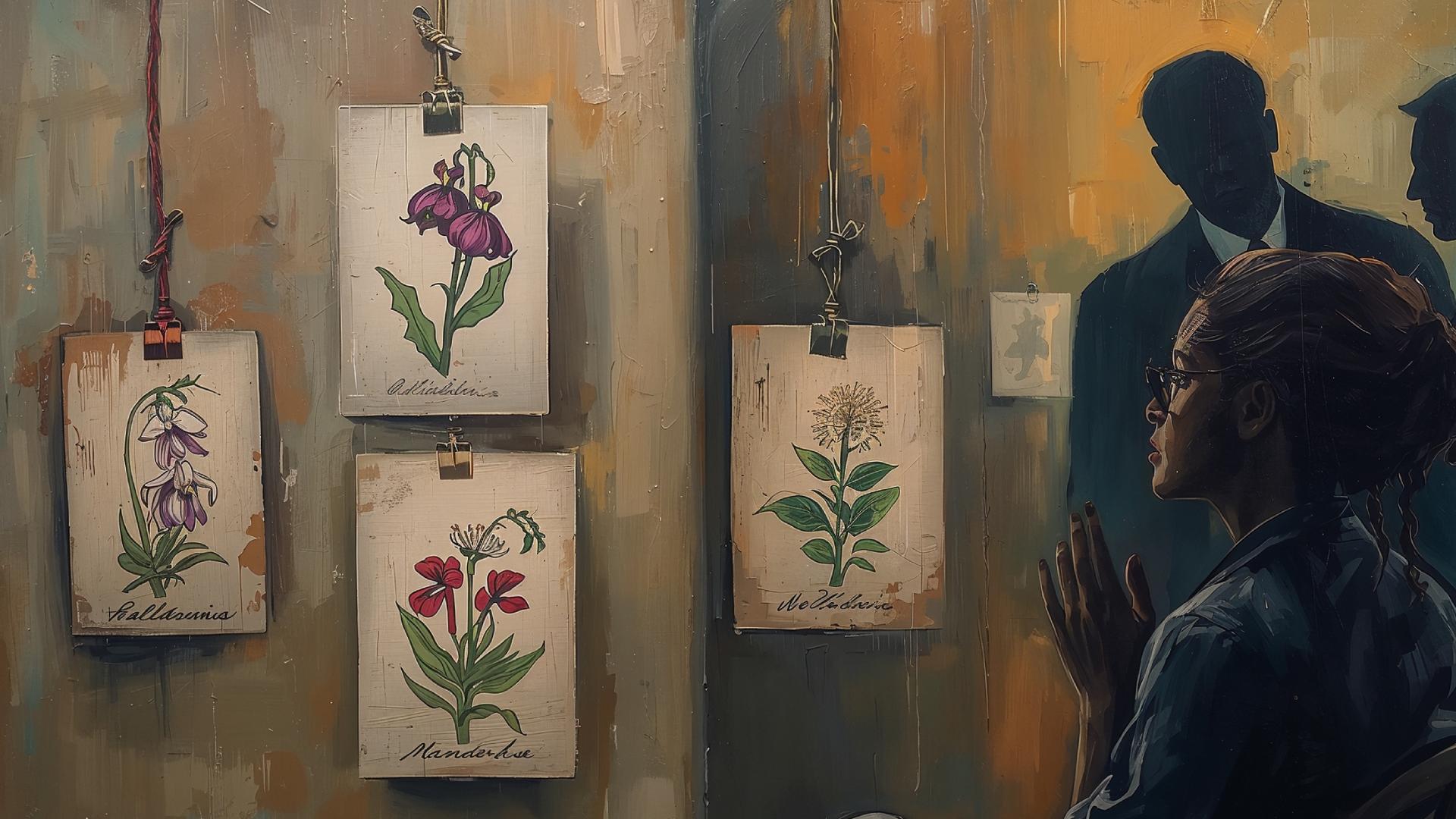
I created twelve pen-and-ink drawings of deadly flowers and titled the series Witches Brew. I also wrote a manifesto explaining the concept and produced a one-page placard—museum-style—to accompany the work. For the exhibition, I selected four drawings: Belladonna, Foxglove, Wolfsbane, and Mandrake, and displayed the placard beneath them at the opening reception.
Two prominent male gallery members reacted immediately—and negatively. They publicly questioned the subject matter as not being “real” art and criticized the placard as “unprofessional” and made sure their comments were loud enough for me and the gallery manager to hear. Their disapproval was unmistakable.
When presentation becomes power
Yet great placards do more than explain. They guide viewers. They transform static displays into stories. They turn looking into understanding.
I chose not to engage in the criticism and left the reception early. Later that evening, the gallery manager called with unexpected news: my work was the first to sell—every piece. The buyer even requested the placard.
Once the two men learned this, they promptly posted explanatory placards next to their own work.
This wasn’t the first time I’d seen this pattern.
Gender bias in contemporary art
Years earlier, while I was still in art school, a close friend completed her MFA thesis exhibition titled Tight Knit Community. Her work focused on building community through collective making, turning viewers into participants. Together, along with several other students, friends, and relatives, we created a large wall hanging from secondhand sweaters and blankets sourced from thrift stores. The exhibition was powerful, generous, and deeply human.
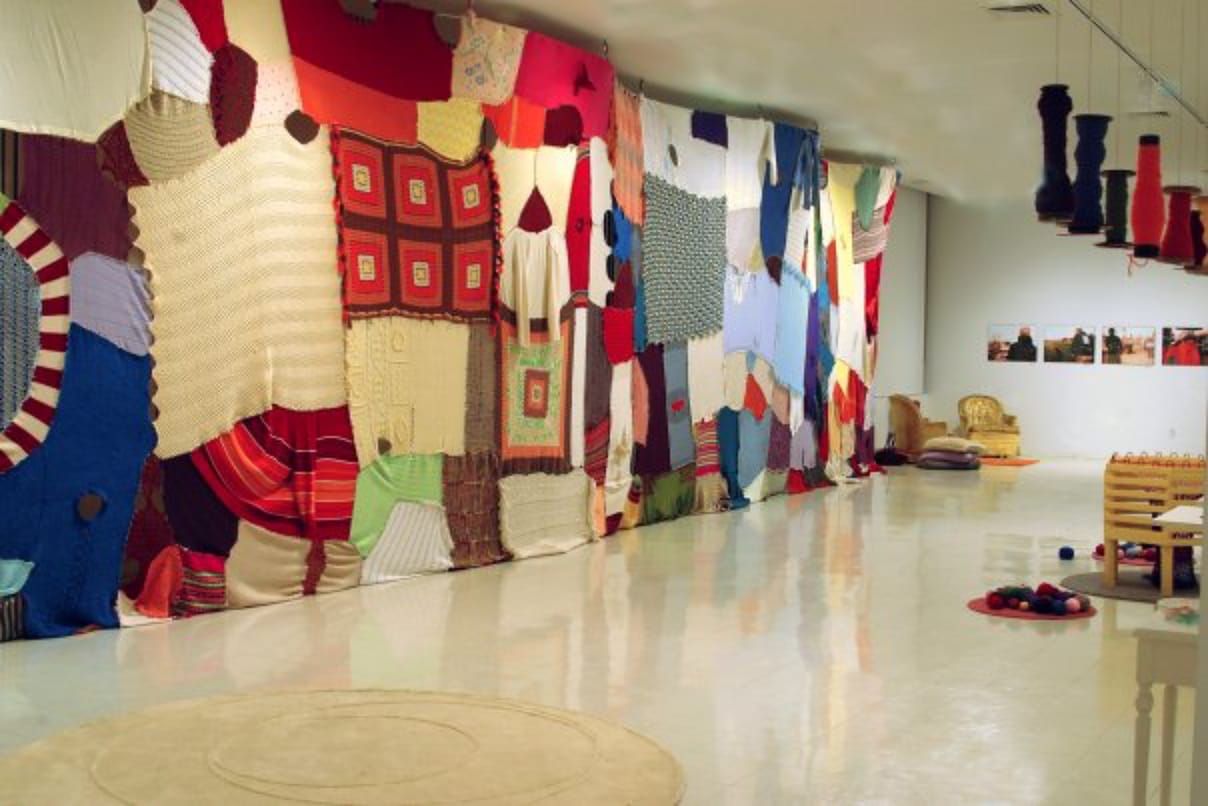
At the opening, one of my male professors—someone I respected greatly—dismissed the work outright. He declared it wasn’t “real” art because it was composed of reused textiles and collective labor.
This story is older than any one gallery or classroom.
When women’s art sells, men claim it
Men have long dismissed work made by women—until it sells, until it trends, until it becomes profitable. Then they step in, adopt the same ideas, and are suddenly celebrated as innovators. Their work is deemed serious. They become famous. Meanwhile, the women who originated the language of that work remain largely invisible.
History doesn’t just forget women artists. It learns from them—and then writes them out.